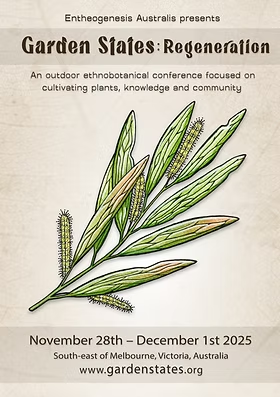
Garden States: Regeneration
Entheogenesis Australis Ethnobotanical Conference
Anna Ermakova - An overview of peyote conservation and ecology
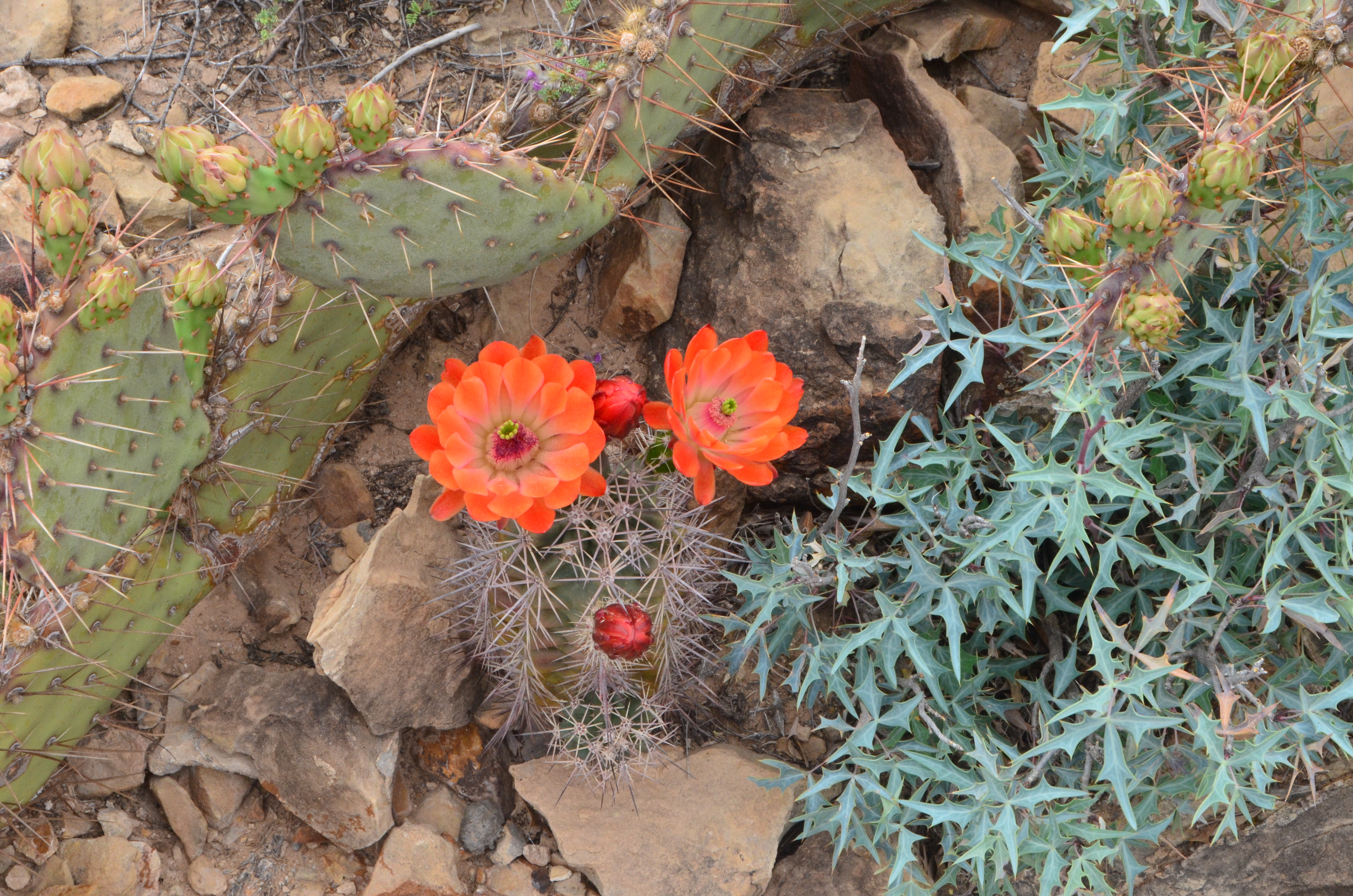
Here you can find some of the presentations and events attended by the CCI board members – if/when they were recorded.
Entheogenesis Australis Ethnobotanical Conference
Anna Ermakova - An overview of peyote conservation and ecology
18th May 2025, Fort Worth Botanical Gardens
Keeper Trout - Trichocereus or Echinopsis: do genetic differences matter
April 25 and 26 2020
Kevin Feeney – Peyote as Commodity Martin Terry - Listening to peyote Panel Discussion: How Can We Ensure Respectful, Safe, Ethical, Inclusive and Sustainable Sourcing for Psychedelic Plants and Materials? Troy – Peyote and the Eagle in Comanche Culture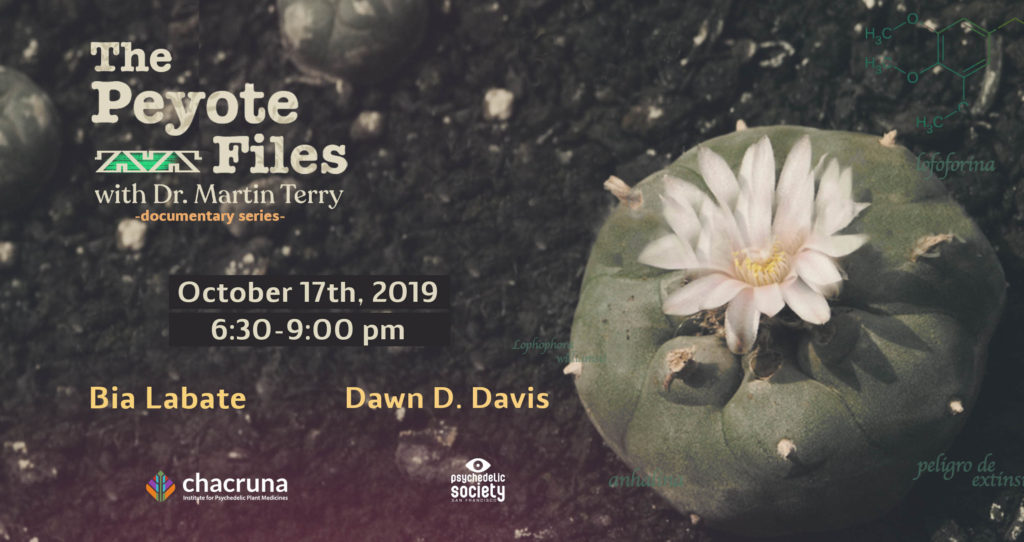
17th October 2019
The Peyote Files is a documentary web series following Dr. Bia Labate on the search for the elusive peyote in West Texas. Check out the panel with Dr. Bia Labate, Dr. Martin Terry, and Dawn Davis at The Peyote Files premiere in Oakland, October 17th, 2019
Oakland’s Premiere The Peyote Files Documentary | Chacruna
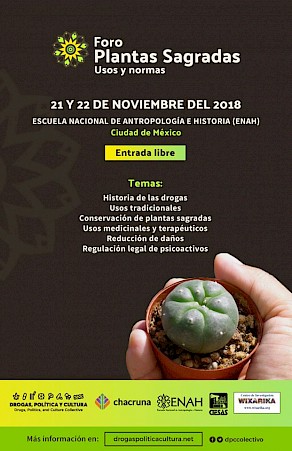
Mexico city, Mexico 21-22 November 2018
El Foro Plantas Sagradas se llevó a cabo en la Escuela Nacional de Antropología e Historia (ENAH) en Ciudad de México los días 21 y 22 de noviembre del 2018. Consecuente de la gran convocatoria que tuvo el congreso Plantas Sagradas en las Américas.
El Difícil Problema de la Conservación de Peyote y la Manera de Llegar a una Solución
June 8, 2017, Turingham Hall, UK
In 1967, a landmark symposium entitled Ethnopharmacologic Search for Psychoactive Drugs was held in San Francisco, California. It was the first international, interdisciplinary group of specialists – from ethnobotanists to neuroscientists – who gathered in one place to share their findings on the use of psychoactive plants in indigenous societies. Follow-up meetings were intended to be held every ten years, but the War on Drugs intervened. On the 50th anniversary, an international group of specialists gathered again to share their perspectives on past, present, and future research in ethnopharmacology. – ESPD50.com
Keeper Trout - Mescal, peyote and the red bean; a peculiar conceptual collision in early modern ethnobotany
8–11 April 2014, Tucson, Arizona
Dr. Terry presented a talk on the potential role of cultivation in the conservation of Lophophora williamsii. “Authorized consumption without authorized cultivation: effects of the absence of regulatory structure in the conservation of Lophophora williamsii.”
Abstract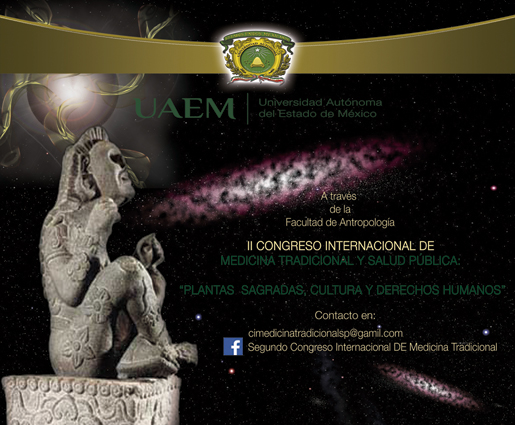
3–5 April, 2014, Toluca, México.
Dr. Terry presented a talk on the potential role of cultivation in the conservation of Lophophora williamsii. “El consumo y la falta de producción: Un machete de doble filo en la conservación del peyote.”
Resumen | Abstract | Content Presentation as pdf
October 2014.
Martin Terry, Bennie Williams, Teodoso Herrera & Keeper Trout. 2014. The Predicament of the Bordas Escarpment: Ways and Means of Restoring Peyote Habitat in South Texas.
Martin terry - The Predicament of the Bordas Escarpment: Ways and Means of Restoring Peyote Habitat in South Texas


2013, Plymouth, UK.
This is a presentation given by Molly Klein at the 2013 annual meeting of the Society for Economic Botany, held in Plymouth, England. Authors: Molly Klein, Diana Husley, M. Abul Kalam and Martin Terry
Molly Klein - Mescaline concentrations in different organs of Lophophora williamsii
2012.
This is a presentation given by Martin Terry at the 2012 annual meeting of the Society for Economic Botany.
ABSTRACT:
Current data on supply and demand of peyote (Lophophora williamsii) for religious use by the Native American Church (NAC) show that the plant is being unsustainably harvested from wild populations in Texas and Mexico. To provide adequate supplies of peyote for ceremonial use, the NAC is considering greenhouse cultivation as an alternative to wild harvesting. Objectives: To determine the historical and actual role of cultivation of peyote in Native American cultures, and to assess its potential role in preserving the peyote religion and in conserving the vulnerable species L. williamsii in the future. Methods: Review of the literature and direct field observations provided data on instances of peyote cultivation by native cultures in the past. Invited participation in policy discussions of the NAC of North America (NACNA) provided current data on native American attitudes toward cultivation of peyote. Technical aspects of cultivation of peyote were investigated by interviews with horticulturalists and experimental work with Lophophora in a greenhouse environment. Results: Cultivation of peyote is ancient practice. There are documented instances of prehistoric plantings of peyote at native encampment spots in Texas. NACNA attitudes toward NAC cultivation of peyote have become more positive in recent years as the crisis of peyote scarcity has deepened. To be acceptable to the NAC, cultivation techniques must produce natural peyote. Grafting of peyote onto other cactus species may be appropriate to expedite seed production, but grafted plants are not themselves intended for ceremonial purposes. Conclusion: Many members of the NAC recognize that cultivation of peyote constitutes a means whereby local churches can exert control over the supply of their sacrament. Widespread local implementation of greenhouse cultivation would reduce the harvesting pressure on wild populations, thus preserving the medicine for future generations.